
 |
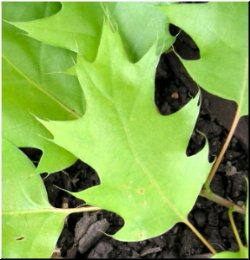
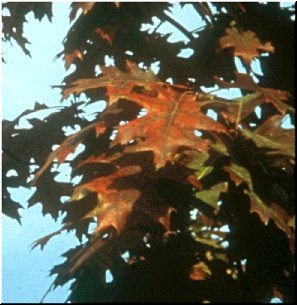
Red Oak Forests cover 42 percent of New Jersey's
land. Two combinations of tree species are found. In the north the typical
forest contains a mixture of oak, hickory, red maple, hemlock and white
birch. In the Coastal Plain, pitch pine, scrub oak, and white cedar
prevail. The red cedar is common to both areas. Although the wood is
useful commercially, the forest serve mainly for recreation.
|
|
Mettler's Woods, also known as Hutcheson Memorial Forest, a 107 hectare (264 acre) tract of virgin forest southwest of New Brunswick, belonged to the Mettler family for more than 250 years before being purchased by a citizens group and placed under the trusteeship of Rutgers Univertity. It represents the original forest cover typical of the region. Trees, many of them more than 20m (70ft) tall, include oak, hickory, beech, sugar maple, and ash. Shrubs include mapleleaf, viburnum, black haw, arrowwood, and spicebush. |
 |
 |
Island Beach, a strip of the offshore sandbar extending
from Seaside Park to Barnegat Inlet, is a state park 1,200 hectares
(3,000 acres) of natural barrier islands ecosystem, including maritime
forest, coastal dunes, and tidal marshes.
New Jersey is a leading center of culinary herb production in the United States, and is among the nation?s leading area for the production of basil, coriander, dandelions, mint, and a wide variety of ethnic herbs and fresh market produce. New Jersey -in particular central and southern Jersey- has a rich and diverse horticultural base with a focus on high value horticultural base with a focus on high value horticulture including several traditional crops now viewed for their nutraceutical properties such as cranberries, blueberries and asparagus. New Jersey also is home to many of the nation's leading food manufacturing, pharmaceutical and flavor fragance companies. |
|
Click here
and read the "Jersey Devil of the Pine Barrens"
|
|
Thank you to Socorro Figueiras from
New Jersey for her contribution to our project.
|
|
Go back to the map
|
 |