|
Our friends live in Kayseri and they tell us about their country, city and important people. |
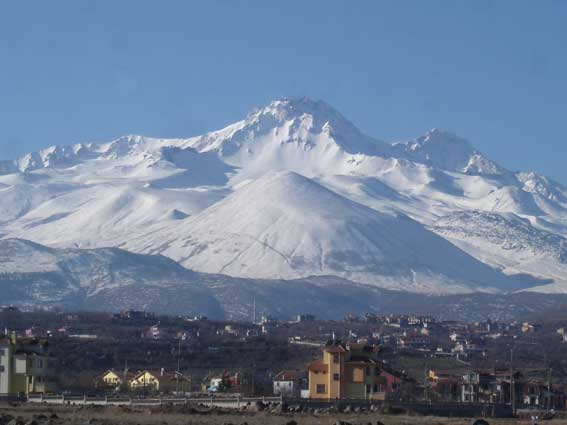 |
West of Cappadocia, over the mountains in central Anatolia, lies Kayseri, known as Caesarea in Roman times. The city spreads out at the foot of the extinct volcano Mt. Erciyes (3,916 meters). In the winter months the ski center has excellent runs for downhill skiers, and several pleasant hotels cater particularly to skiers. |
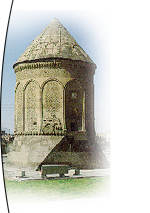
Close to the Byzantine fortress, the 13th century Huant Hatun Mosque and Medrese, with the Mahperi Hatun Mausoleum, comprise the first Seljuk complex, the Huant Hatun Complex, in Anatolia. The Medrese is now an Ethnography Museum. South of the complex, stands the beautifully decorated Döner Kümbet of 1276, a Seljuk mausoleum of classic simplicity. |
South of Kayseri, in Develi, stand three more important Seljuk buildings: the Ulu Mosque, the Seyid-i Serif Tomb and the Develi Tomb. Nearby, the Sultan Marshes, the habitat of many bird-species, are of interest both to ornithologists and nature lovers. North of Kayseri, Kültepe, known in ancient times as Kanesh or Karum, was one of the earliest Assyrian and Hittite commercial cities Dating from 2000 B.C, Kültepe was also one of the world's first cities of free trade. Today, however, only the foundations remain. Many of the findings can be examined in the Kayseri Archaeological Museum or Ankara Anatolian Civilizations Museum. On the same road is Sultanhan, a caravanserai built by the Seljuk Sultan Alaeddin Keykubat in the early 13th century and a favorite stop for tourists. |
 |
 |
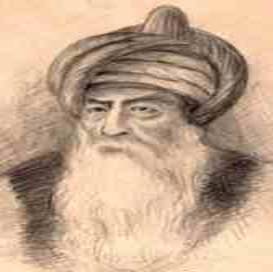 |
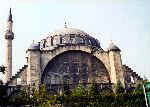
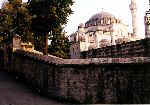
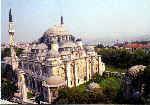
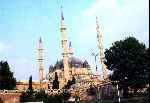
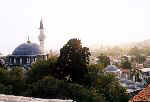
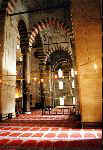
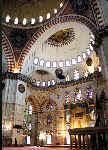
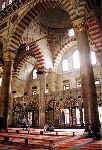
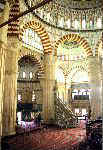
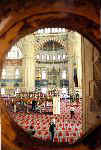
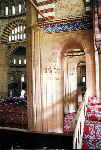
Mimar Sinan (Architech Sinan)He is an architect who grew up in one of the most splendid periods of the Ottoman State, and who contributed to this era with his works. Various sources state that Sinan was the architect of around 360 structures which included 84 mosques, 51 small mosques ("mescit"), 57 schools of theology ("medrese"), 7 schools for Koran reciters ("darülkurra"), 22 mausoleums ("türbe"), 17 Alm Houses ("imaret"), 3 hospitals ("darüssifa"), 7 aquaducts and arches, 48 inns ("Caravansarai"), 35 palaces and |
mansions, 8 vaults and 46 baths. Sinan, who held the position of chief architect of the palace, which meant being the top manager of construction works of the Ottoman Empire, for nearly 50 years, worked with a large team of assistants consisting of architects and master builders. |
|
 |
 |
 |
 |
 |
 |
 |
 |
 |
 |
 |
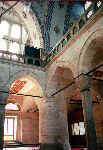 |
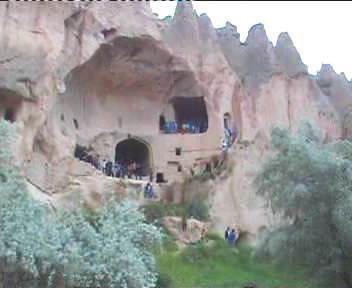
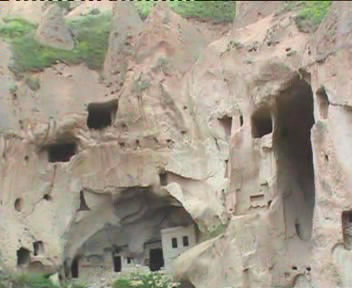
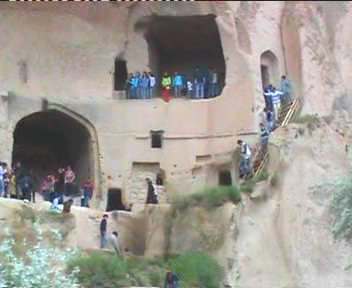
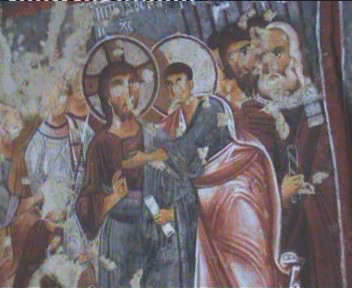
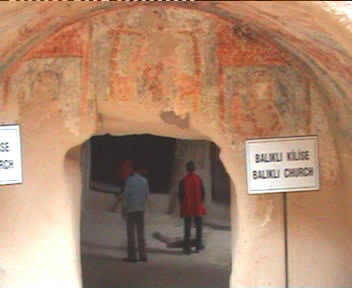
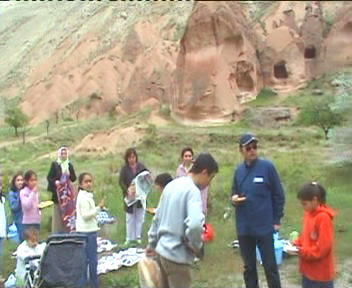
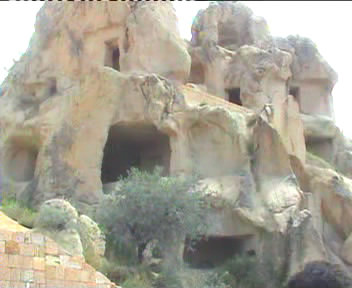
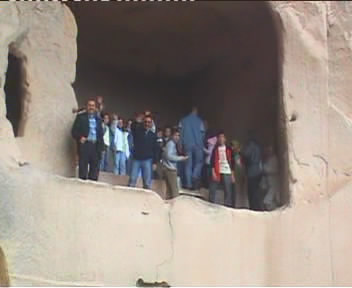
Photos from a trip to Cappadocia. Land of the fairy chimneys. |
|
 |
 |
 |
 |
 |
 |
 |
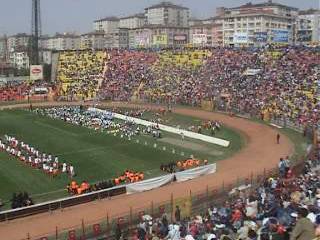
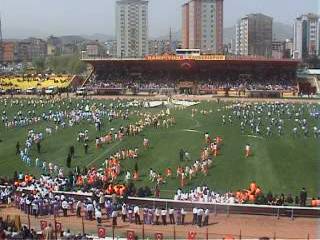
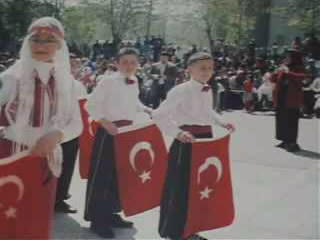
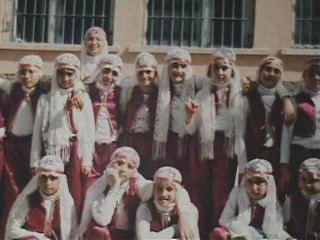
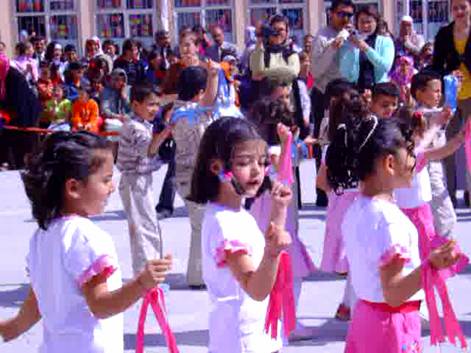
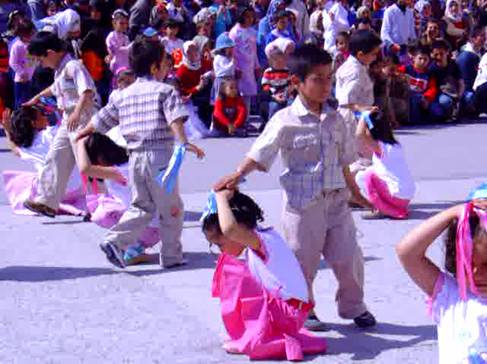
Child Festival |
 |
 |
 |
 |
 |
 |
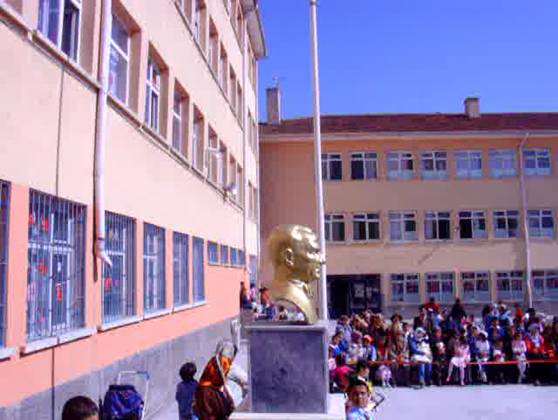 |
Thank you to Ali Sariyel and their students that share with us their wonderful country. |
| Go back |  |