Receitas tradicionais do agro / Agricultural traditional recipes
[IES Pintor Colmeiro, Silleda, Galiza]

Verán / Summer

GALEGO

ENGLISH

O verán é a época das festas e dos xantares ao aire libre. As receitas máis propias do verán van ser os doces e sobremesas cos que rematan as celebracións. Dentro do apartado das comidas destacan as sardiñadas propias da festa de San Xoán e o polbo, prato típico das romarías e das feiras.

Summer is the time for festivals and meals in the open air. The most typical recipes of summer are sweets and desserts of the celebrations. Within the meals section we can point out the sardines of St. John´s festival and the octopus typical of the country festivals.
Doces e bebidas Sweets and drinks
Tortas Cakes
Ingredientes:
Os ingredientes básicos son fariña, azucre e ovos. Pero poden levar moitos outros segundo o tipo de torta: améndoa moída, noces, chocolate, manteiga, mazá, limón, leite... soen levar todas lévedo ou fermento.
Ingredients:
Basic ingredients are flour, sugar and eggs. But it can take many other depending on the kind of cake: grated almond, nuts, chocolate, butter, apple, lemon, milk...all of them take some kind of yeast.

Foto 2. Tarta de queixo.
Independentemente do tipo de torta, a forma de preparala é moi semellante. Mestúrase a fariña, o azucre e os ovos, bátese todo moi ben, engádese o lévedo e os outros ingredientes (as noces picadas, o limón, etc), bótase nun molde untado con manteiga e métese no forno quente.

Picture 2. Cheese cake.
Leaving apart the type of cake, the procedure is very similar. Mix the flour, sugar and eggs, mix well, add the yeast and other ingredients (grated nuts, lemon, etc), pour in a mould spreaded with butter and put in a pre-heated oven.
Queimada   Queimada
Ingredientes:
Augardente e azucre, café, laranxa, mazá, viño, segundo gustos.
A queimada é unha especie de bebida-cerimonia considerada un signo de identidade galega. Acostúmase a dicir un conxuro cando se prepara.
Ingredients:
Spirit and sugar, coffee beans, orange, apple, wine, depending on taste.
Queimada is a sort of ceremonial drink which is considered a sign of the Galician identity. It is traditional to say a spell while it is being prepared.
Foto 4. Facendo a queimada.
Nun cacharro de barro mestúrase azucre e augardente, uns 150 gr por litro. Pódense engadir grans de café, trozos de laranxa ou mazá... Préndeselle lume e vaise remexendo cunha culler grande, coidando que a chama se manteña acesa.
Picture 4. Preparing queimada.
Mix the sugar (150 gr. per litre) and the spirit in a clay bowl. You can add coffee beans, pieces of orange or apple...Flambée while still stirring with a big spoon, keep flames until ready.
Rosquillas e melindres Doughnuts and "melindres"

Ingredientes:
8 xemas de ovo, 450 de fariña, unha cunca de tona do leite, anís, azucre e auga para o xarope.
Os melindres son rosquillas pequenas adozadas con xarope. Son típicas das festas e romarías.

Ingredients:
8 egg yolks, 450 gr flour, a bowl of cream, anisette, sugar and water for the syrup. "Melindres" are small doughnuts sweetened with syrup. They are typical of country festivals.

Foto 6. Procedemento.
Mesturar as xemas coa tona e a fariña. Engadir o anís.  Darlle forma de melindre á masa. Poñer nunha bandexa de forno enmanteigada. Cando estean, bañar no xarope.

Picture 6. Procedure.
Mix the yolks, the cream and the flour. Add the anisette. Shape the dough into doughnuts. Place on a floured oven tray. When ready, dip in the syrup.

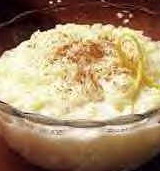
Papas de arroz Rice pudding

Ingredientes: 200 gr de arroz redondo, 2 l. de leite, 400 gr azucre, unha pel de limón, unha pel de laranxa, rama de canela, canela en po.
Procedemento: Lávase o arroz con auga fría e déixase escorrer.
Poñemos nun recipiente o leite ao lume coa canela  e as peles do limón e laranxa. Cando comence a ferver lentamente botamoslle o arroz, removendo con frecuencia para que non se pegue e cando estea case cocido incorpóraselle o azucre. Déixase cocer 5 min máis, sácase do lume e retírase a laranxa e o limón. Sérvese nun recipiente de louza ou crital e salférese con canela. É costume moi galego cubrir o arroz con azucre e pasar un ferro quente sobre el para queimalo, formando debuxo na superficie.

Ingredients: 200 gr. round rice, 2 l. milk, 400 gr. sugar, a lemon peel, an orange peel, a stick of cinamon, powdered cinamon.

Procedure: Wash the rice with cold water and drain. Put the milk in a pan and heat with the cinamon and the lemon and orange peel. When it starts to boil, add the rice slowly, stirring constantly so it does not stick. When nearly soft, add sugar. Leave to boil for 5 min more, remove and take the peels out. Serve in a bowl and sprinkle with cinamon. It is also traditional to cover the rice with sugar and caramelise it with a red hot iron, making drawings on the surface.

Comidas Meals
Sardiñas asadas Grilled sardines

Foto 7. Sardiñada.
As sardiñas asadas son típicas da celebración de San Xoán, o 24 de xuño. O normal é que en cada comunidade se faga unha sardiñada. As sardiñas xa limpas, póñense na grella e bótaselles un pouco sal gordo. Cando están listas cómense sobre unha rebanda de pan de millo.

Picture 7. Grilled sardines.
Grilled sardines are typical of St. John´s festival, on the 24th June. Every parrish makes its own "sardiñada". The sardines, once cleaned and washed, are put on a grill and then sprinkled with salt. Once ready, eat on a slice of corn bread.

Polbo   Octopus

Foto 8. Polbo á feira.
O polbo á feira é o prato máis típico das festas e romarías. Pódese tomar nos postos de polbeiras que se instalan nas rúas ou no lugar da festa.

Picture 8. Octopus fair style.
Octopus fair style is the most typical dish of country festivals. You can eat it at the stalls of "polbeiras" which are usually at the festival grounds.

Foto 9. Cocendo o polbo.

O polbo cócese en auga sen sal nunhas caldeiras de cobre moi grandes. Hai que metelo e sacalo tres veces da auga fervendo para que non perda a pel. Cócese uns 20 minutos. Canto máis polbo se coce na auga mellor.

Picture 9. Boiling the octopus.

The octopus is boiled in water without salt in big copper buckets. It should be  dipped three times in boiling water so it doesn´t lose the skin. It should be boiled for 20-30 minutes. The more octopus in the bucket the better.

Foto 10. Cortando o polbo.

Cando o polbo está listo, sácase da auga cun pincho e córtase en quente coas tesouras en talladas. Vaise botando nun prato de madeira. As polbeiras son especialistas en cortar o polbo coas mans aínda que estea moi quente.

Picture 10. Cut the octopus.

When it is ready, the octopus is taken out with a fork and is cut in slices with scissors when still hot. It is placed on a wooden dish. The "polbeiras" are specialised in cutting the octopus when it is still pipping hot.

Foto 11. Servindo o polbo.
 

O polbo sérvese nun prato de madeira de ración, bótaselle sal gordo e aceite de oliva e un pouco pemento picante. Sérvese con pan e unha cunca de viño tinto e cómese con palillos.

Picture 11. Serving the octopus.


The octopus is served on a wooden dish that makes a "racion", it is sprinkled with salt, olive oil and paprika. It is served with bread and a bowl of red wi
ne. It is eaten with toothpicks.

Foto 12. Pratos de polbo.

Aínda que o polbo case sempre se toma á feira, hai variantes coma o polbo con cachelos, á grella, á vinagreta...

Picture 12. Dishes of octopus.

Although the octopus is often eaten fair style, there are some other ways to cook it such as with potatoes, grilled, vinagrette...


Start | Partners | Introduction | Video | Thanks | Creators | Bibliography | Terminology | Songs